

The Producers
Terry Brown - Part Three

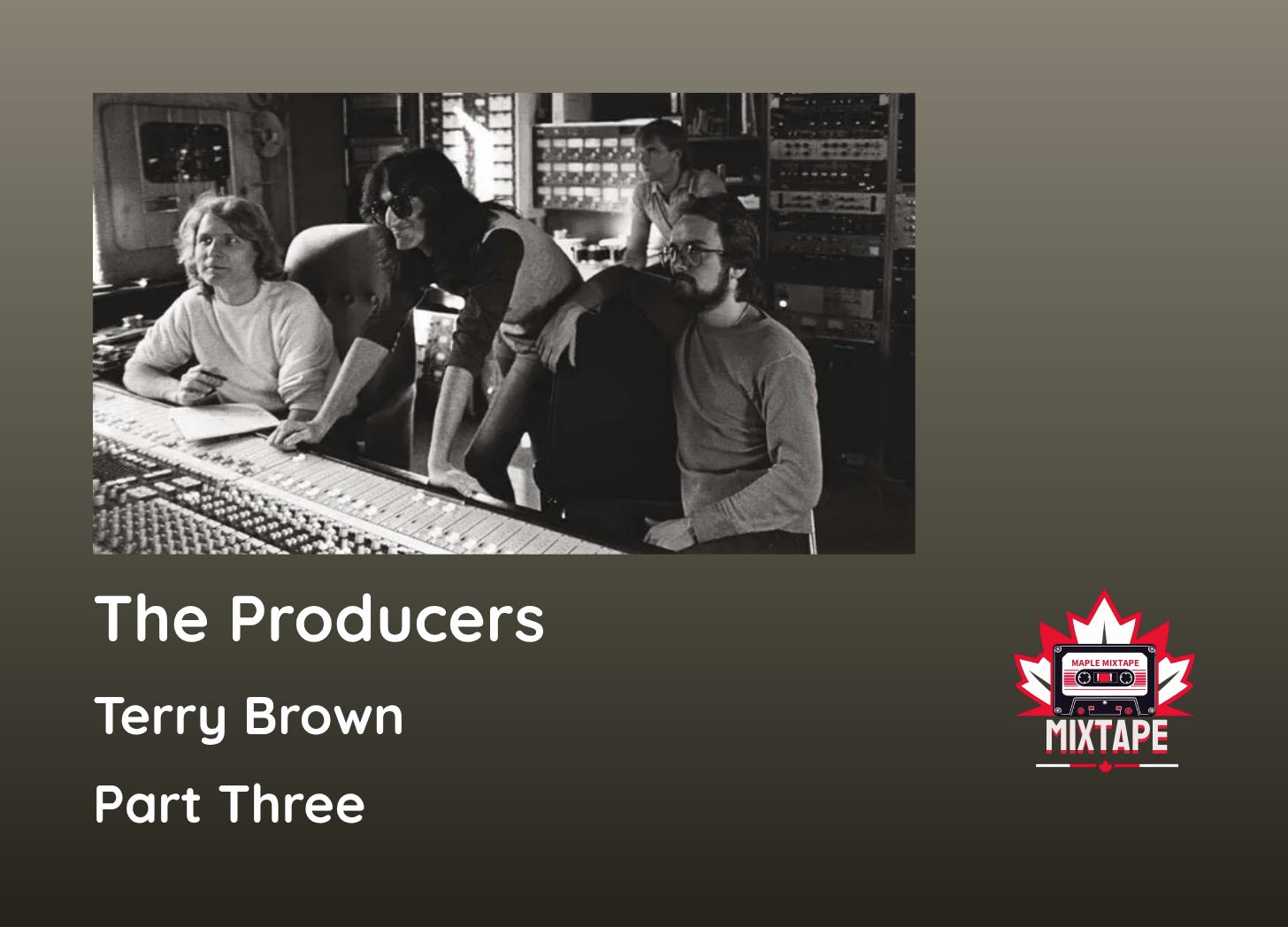
photo credit - loudersound.com
The producers are the folks behind the desk, of course.
But they are so much more.
Keeper of the creative vision. Project manager. Life coach. Musical director. Player. Songwriter. Engineer. Talent wrangler. Cajoler of performances.
Each has their own strengths, their ‘secret sauce’.
And without them, a lot of records would suck.
For Part Three of this tribute to Terry Brown, aka Broon, we will finally get to the Rush years.
I’m also super stoked to be joined for this piece by MusicStacker extraordinaire Emm as in Music who is one of the biggest fans I know, and who, frankly, brings the necessary writing skills to class up this bit of CanCon history.
The partnership between Brown and Rush is one of the most prolific ones in all of music history. You think of Beatles/Martin, David Bowie/Visconti, or maybe Radiohead/Godrich as prominent examples.
Officially, the count is nine albums in nine years - which in today’s world sounds insane. But remember that there were also two live albums mixed in, and that TB also saved the band-produced debut album by overseeing remixes at Toronto Sound.
In Geddy Lee’s biography - ‘My Effin’ Life' - he describes the first meeting between Rush and Broon:
“He didn’t seem very interested at the start, but agreed to try to save the day.
We went into his studio and worked around the clock over three days until we had the version of the album as it exists today.
We felt well represented, with the bonus that in Terry we had found a mentor and a kindred spirit.
Someone who was well schooled, who knew how to make drums and guitars kick ass and was fun to work with to boot.”
Geddy Lee
The first role of producer sounds like it was fulfilled here. Taking a green artist that are attempting to capture their vision in the studio, but needed a sounding board and a guiding hand behind the glass.
As the band evolved during this era, so did TB’s contributions. Rush went through a trio of style changes during this run of albums.
More of a hard rock, yet somewhat proggy feel on Fly By Night and Caress Of Steel. Full blown, epic prog soundscapes for 2112, A Farewell To Kings, and Hemispheres. And finally, a move to a more modern, radio friendly vibe that incorporated new wave-inspired synths more regularly for Permanent Waves, Moving Pictures, and Signals.
Now for Emm’s answers to my Broon-related questions, where we also get into the eventual separation from the band:
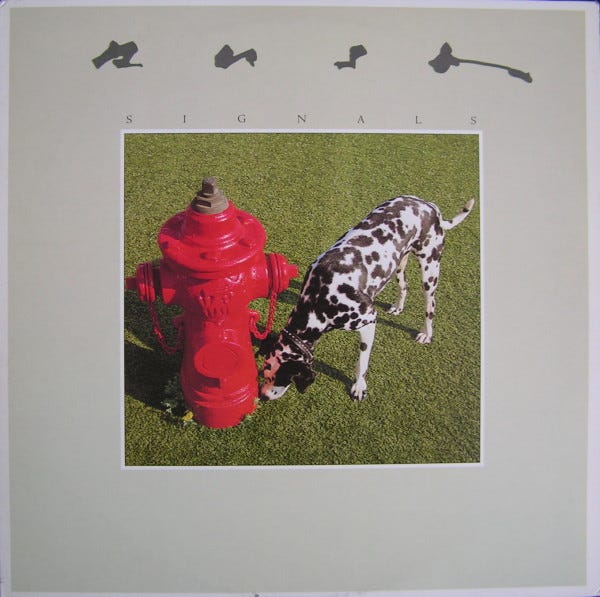
MM: TB was behind the desk from Rush’s self-titled debut in 1974 when John Rutsey was still on drums, through to Signals eight years later - an incredible run of 9 (or 10, really) studio projects and 2 live records. Which is your favourite and why?
Emm: Signals. Hands down. It was my first new Rush album and it arrived at just the right time, because it landed like a map that said ‘you are here’ and pointed the way forward. I still think it is astonishing, an emotionally charged and stellar song cycle about growing up, growing old, and thinking about what comes after.
MM: The band evolved from a prog-influenced sound to something more refined and commercially viable during this run. Was the ‘Broon’ timeline Rush’s golden era of creativity?
Emm: The Broon era really coheres when I think of the run from Permanent Waves to Signals. Rush songs always struck me as emotionally charged but their writing really sharpened with that trio. I will say that I adore Power Windows and Presto, and I think Counterparts was a shaking off of accumulated dust. But Broon and Rush were so in step on that trio of albums, I don’t think anything else they did quite matches it. But it may be nostalgia talking.
MM: This quote from Geddy Lee’s ‘My Effin’ Life’ tells of the day that Rush told TB that they were going in an another direction:
“But as we began to talk, it was apparent that Terry, too, had misgivings; he didn’t want to stop working with us, but nor was he sold on the direction we were moving in. He was particularly concerned that the electronic drums and keyboards we were so enamoured with diminished the role of the guitar to our detriment. He wasn’t wrong, but this was the direction we’d committed to and there really was no turning back.
The longer we talked, the clearer it became that, despite his having given everything he had to us, we needed someone new in the producer’s chair.”
Geddy Lee
In hindsight, was this decision the only natural end of this chapter?
Emm: It’s really hard to say what the natural end was or should have been. Rush was always restless. I think they needed different producers. And in some ways, they benefitted from that, whether it was Peter Collins or Rupert Hine. I do think they risked some complacency if they had retained that relationship, but we will never know. I don’t have any regrets, and I don’t think Geddy or Terry should either. Their work is impressive. And what Rush did after that is of similar quality.
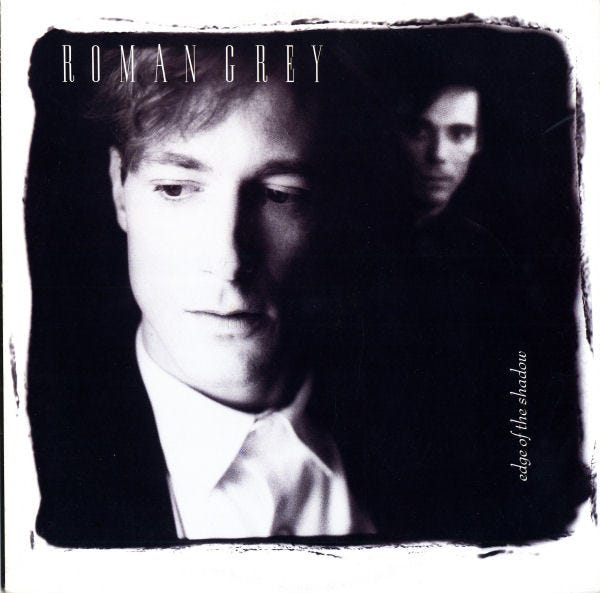
MM: Finally, Brown worked with a ton of 80s CanCon artists following his split from Rush - including Gowan, Rough Trade, Eye Eye, Roman Grey and Blue Rodeo. Do any of these projects resonate with you in the same way?
Emm: Roman Grey. Hands down. There is something about Shangri-La and IBU on that album that gives me the same, uh, rush, I get from Signals or songs on Permanent Waves. Brown really buffed and polished those songs such that you can almost see your reflection in them, all while honouring the emotional qualities and hooks that inform them. I don’t know that the whole album holds up as well, but those two songs are so perfect that I wish the band had continued with Brown.
What a storied career. And not just with high profile artists, but as I’ve pointed out in Part One and Part Two of this series, Brown also has a gift for the first album - as Eye Eye, New Regime, Blue Rodeo, and the above-mentioned Roman Grey can all attest.
And despite not being thrilled with Rush more heavily featuring synths, many of the acts he subsequently produced chose this path.
Terry Brown and Rush are still working together from time to time, most recently on the 40th Anniversary remix of Moving Pictures.
I learned a lot about TB's other producing projects from you in parts 1 and 2, as I was pretty limited to his work with Rush in terms of Terry's credits. I agree with Emm that Rush needed to explore new directions (they were already moving in that direction, especially with Signals), and if Terry weren't equally excited, it wouldn't be a good match. I did enjoy listening to what TB did with the remix of Grace Under Pressure. He added a lot more low-end, brought down the brightness of the keyboards, increased the guitar. I do have a soft spot for the original, though. I feel less attached to Power Windows. I'd be curious what he would do with that album.